GENRE; Pop/ R&B
LABEL; Maverick
RATING; 4/5
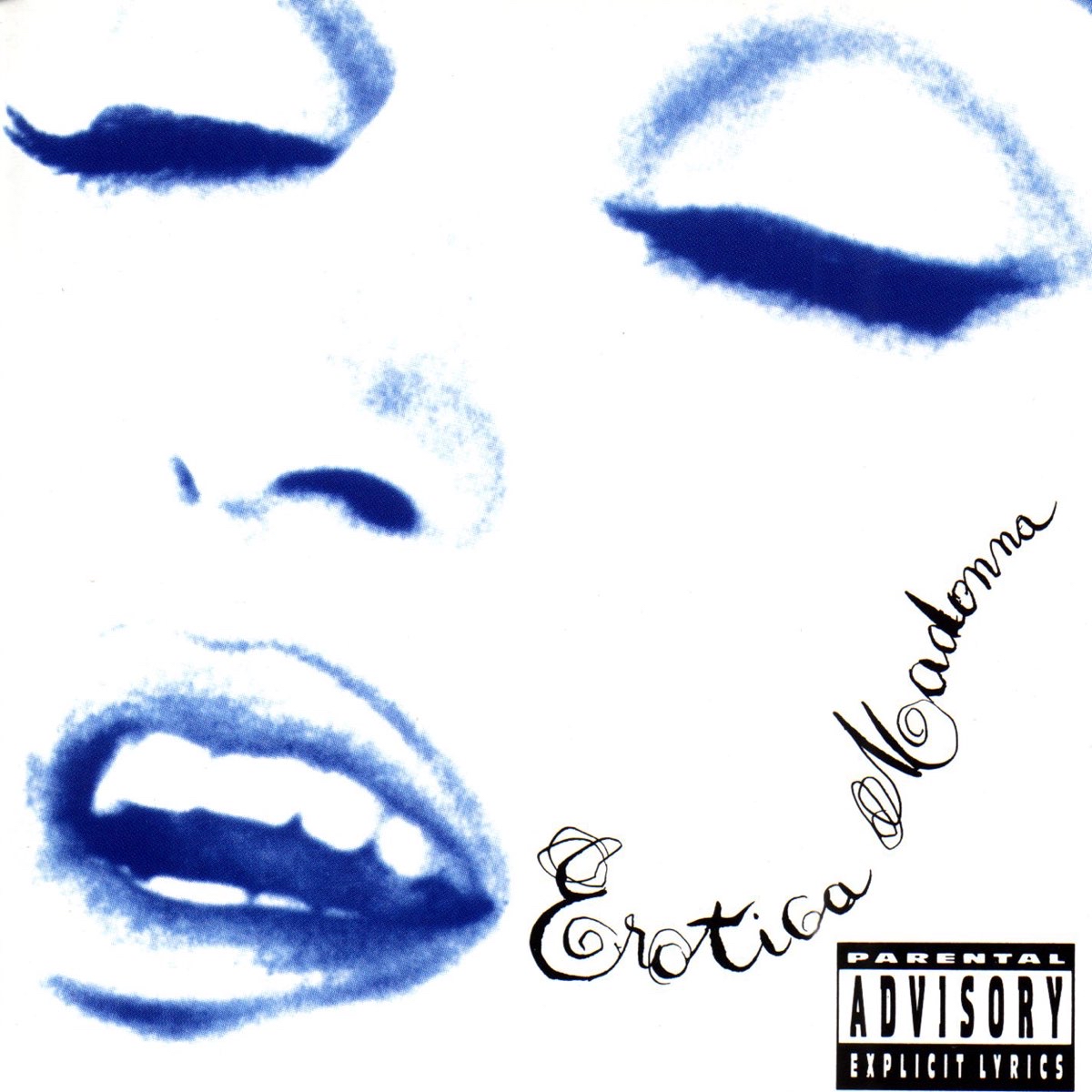
Madonna’s Erotica (1992) stands as one of the most daring and misunderstood albums of her career—an ambitious plunge into themes of sexuality, love, pain and identity that went far beyond the pop star’s previous hits. Released at the same time as her controversial Sex book, Erotica was both overshadowed by media spectacle and unfairly judged on that basis rather than its artistic merit.
Musically, the album mixes house, dance, hip-hop, swingbeat and jazz influences, produced with Shep Pettibone and André Betts. Rather than simply aiming for sensuality, Erotica explores a wide emotional spectrum—from the hypnotic euphoria of “Deeper and Deeper” to the haunting introspection of “Bad Girl,” and the romantic softness of “Rain,” which many critics consider one of the album’s most beautiful moments.
The title track “Erotica” itself marked a bold departure with its dark, stripped-down sound and explicit expression of desire, earning praise for innovative production and fearless lyrics. Other tracks like “Gang Bang” pushed creative boundaries with experimental beats and theatrical flair.
Although the album debuted to mixed commercial success—peaking at number 2 on the US Billboard 200 and selling fewer copies than some of Madonna’s earlier records—it has been reassessed over time as a pioneering work. Fans and critics now often regard it as one of her most adventurous and honest projects, with emotional depth that reflects cultural realities of its era, including references to love, AIDS and personal loss.
Erotica is more than a provocative title: it’s a complex artistic statement that rewards repeat listening and remains influential in pop and dance music more than three decades after its release.
